
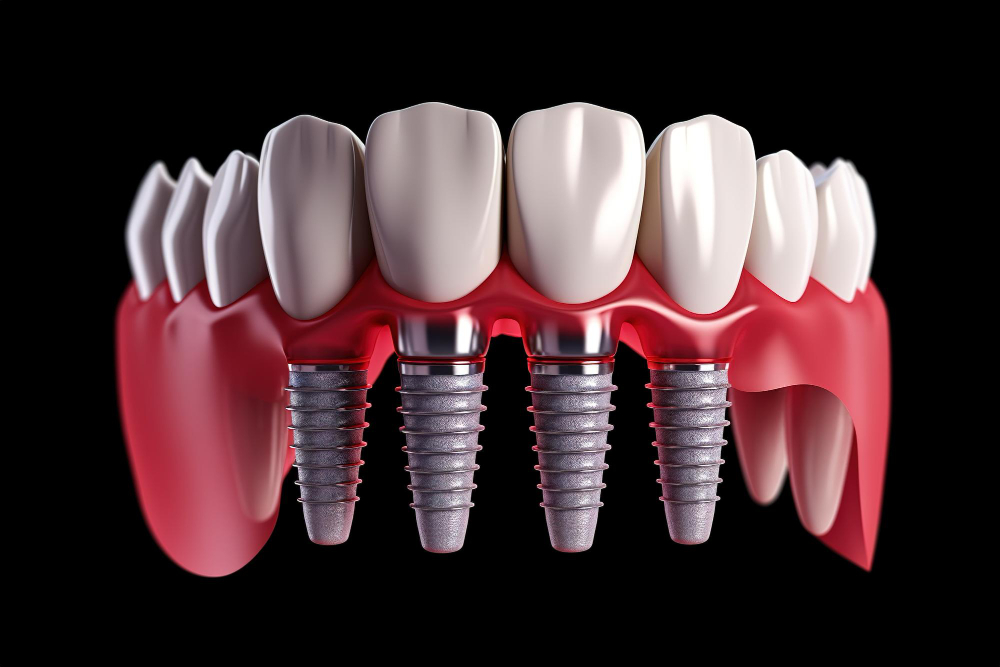
What Is Full Mouth Rehabilitation?
Full mouth rehabilitation is a dental treatment that restores all your teeth. It is also called complete dental restoration or full mouth reconstruction. Many people need this when they have many damaged or missing teeth. With this treatment, you can regain a healthy smile and better oral health. Dentists use a mix of procedures to rebuild your teeth and gums. As a result, you can eat, speak, and smile with confidence again.
Common Symptoms and Dental Issues
Sometimes, you may notice signs that suggest you need full mouth rehabilitation. For example, you might have:Many broken, worn, or missing teethLoose or shifting teethJaw pain or headachesDifficulty chewing or biting foodGum disease or bleeding gumsOld dental work that is failing
Additionally, if you feel embarrassed to smile or talk, it may be time to consider this treatment. Early action can prevent more serious problems.
Causes and Risk Factors
There are several reasons why people need full mouth rehabilitation. Often, these include:Tooth decay over many yearsGum disease that damages teeth and boneInjury or accidents that break teethTeeth grinding or clenching (bruxism)Old dental work that has worn outGenetic conditions affecting teeth
However, lifestyle habits like poor oral hygiene or smoking can also increase your risk. Regular dental visits help catch problems early.
Diagnostic Process and Evaluation Steps
First, your dentist will do a full exam of your mouth. They may take X-rays and photos to check your teeth and jaw. Next, they will ask about your health history and any symptoms. Sometimes, they use models of your teeth to plan treatment. This careful process helps your dentist create a plan just for you. As a result, you get the best care for your needs.
Treatment Options and Procedures
Full mouth rehabilitation uses many dental treatments. Your dentist will choose the best options for you. Common procedures include:Dental crowns to cover and protect damaged teethBridges or implants to replace missing teethVeneers to improve the look of front teethFillings or root canals to treat decay or infectionGum treatments for healthy gumsOrthodontics to straighten teeth if needed
Sometimes, treatment happens in steps over several months. Your dentist will explain each part of the plan. This way, you know what to expect at every stage.
Benefits and Expected Outcomes
After full mouth rehabilitation, you can expect many benefits. For instance, you may notice:Stronger, healthier teethBetter chewing and speakingLess pain or discomfortA more attractive smileImproved self-confidence
Most people enjoy a better quality of life after treatment. According to the American Dental Association, restoring your teeth can also help your overall health.
Lifestyle Guidance and Aftercare Tips
Once your treatment is done, good care is important. For best results, follow these tips:Brush your teeth twice a day with fluoride toothpasteFloss daily to clean between teethVisit your dentist for regular check-upsAvoid hard or sticky foods that can damage dental workWear a night guard if you grind your teethQuit smoking to protect your gums and teeth
With proper care, your new smile can last for many years.
Prevention Strategies for Long-Term Oral Health
Even after full mouth rehabilitation, prevention is key. To keep your mouth healthy:Eat a balanced diet with less sugarDrink plenty of waterLimit sugary drinks and snacksUse a soft-bristled toothbrushReplace your toothbrush every three months
Moreover, teaching children good habits early can help prevent dental problems in the future.
Conclusion
In summary, full mouth rehabilitation can restore your smile and improve your oral health. If you have many dental issues, this treatment may be right for you. Consult at VK DENTAL AND ASTHETICS to discuss if full mouth rehabilitation is right for you.