
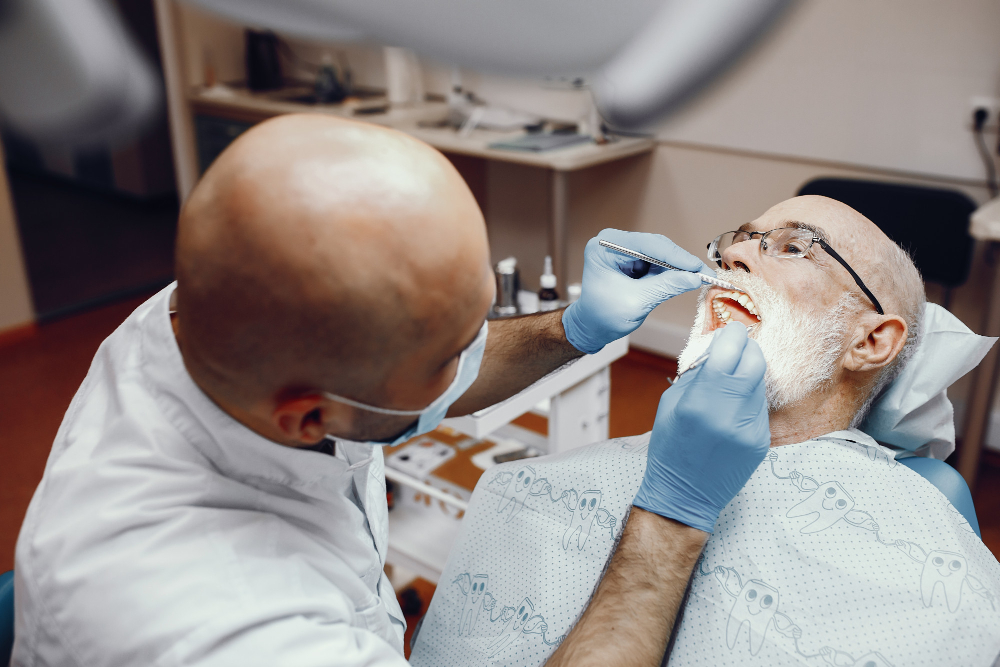
What Is Full Mouth Rehabilitation?
Full mouth rehabilitation is a modern dental restoration process. It helps rebuild or replace all teeth in the upper and lower jaws. Many people need this treatment to restore oral function and improve their smile. Dentists use a mix of advanced procedures to repair teeth, gums, and bite. As a result, patients can eat, speak, and smile with confidence again.
Because each person is unique, dentists create a custom plan. This plan may include crowns, bridges, implants, or veneers. In many cases, full mouth rehabilitation is also called a smile makeover. It combines both health and cosmetic goals for the best results.
Common Reasons for Full Mouth Rehabilitation
Many people seek full mouth rehabilitation for different reasons. Sometimes, dental problems build up over time. Other times, accidents or medical issues cause sudden damage. For example, these are some common reasons:
Additionally, some people want to improve their appearance. Modern dental restoration can help with both function and looks.
Symptoms and Signs That May Require Full Mouth Rehabilitation
Sometimes, it is hard to know when you need full mouth rehabilitation. However, certain signs can help you decide. For instance, you may notice:
If you have several of these symptoms, it may be time to talk with a dentist. Early care can prevent more serious problems later.
Diagnosis: How Dentists Assess the Need for Full Mouth Rehabilitation
First, dentists start with a full exam of your mouth. They check your teeth, gums, and jaw joints. Next, they may take X-rays or digital scans. These tools help dentists see hidden problems. In addition, dentists may use photos or models to plan your treatment.
Because each case is different, dentists ask about your health history and goals. They may also measure how your teeth fit together. This step is important for restoring oral function. After gathering all the information, your dentist will discuss the best options for you.
Modern Treatment Options in Full Mouth Rehabilitation
Today, modern dental restoration offers many choices. Dentists use advanced tools and materials for better results. Some common treatments include:
Because every mouth is unique, your dentist will choose the right mix of treatments. In many cases, these smile makeover procedures can be done in steps for comfort and safety.
Benefits: Restoring Function and Smile Confidence
Full mouth rehabilitation offers many benefits. First, it helps restore your ability to chew and speak. This means you can enjoy your favorite foods again. Next, it improves your smile, which can boost your confidence. Many people feel happier and more comfortable in social settings.
Additionally, modern dental restoration can prevent future problems. Strong, healthy teeth are easier to clean and maintain. As a result, you may have fewer dental visits in the future. For many, this comprehensive dental care leads to a better quality of life.
What to Expect During the Rehabilitation Process
At first, your dentist will create a step-by-step plan. This plan may take several visits, depending on your needs. During each visit, your dentist will explain what will happen next. For example, you may have:
Because modern techniques are gentle, most people feel little pain. However, your dentist will make sure you are comfortable at every step. In many cases, you can return to work or daily life soon after each visit.
Prevention and Long-Term Oral Health Tips
After full mouth rehabilitation, it is important to keep your mouth healthy. Good habits can help protect your new smile. For best results, try these tips:
Because prevention is key, follow your dentist’s advice for long-term care. This will help you enjoy your new smile for many years. Consult dentist at VK DENTAL AND ASTHETICS now.