
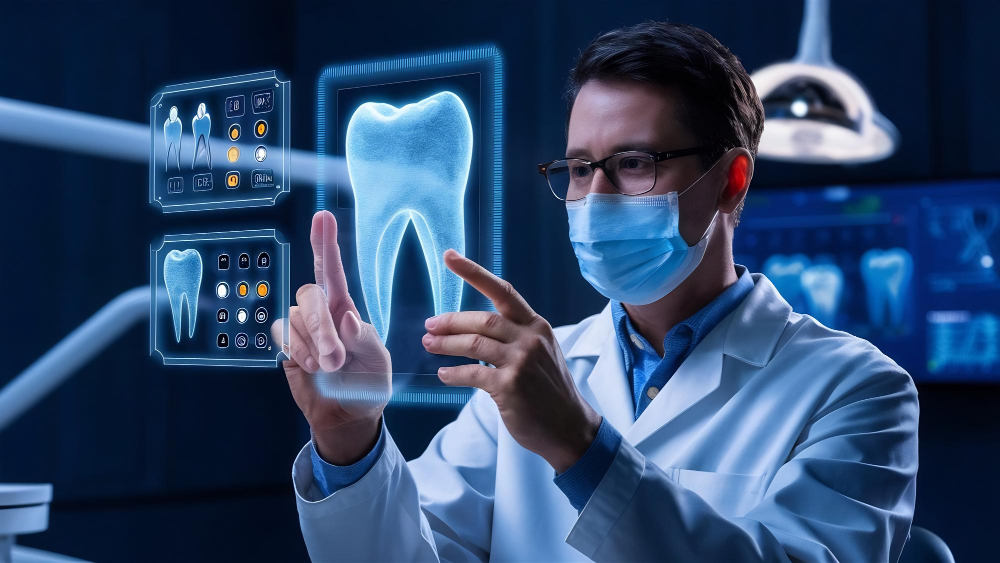
Introduction to Digital Dentistry
Digital dentistry is changing how dentists care for your teeth. Today, many dental offices use advanced dental technology to make visits easier and more accurate. For example, digital dental tools help dentists see your teeth in new ways. As a result, modern dental care innovations are improving smiles everywhere. According to the World Health Organization, new dental technology can help more people get safe and effective care.
Key Technologies in Digital Dentistry
Many tools are used in digital dentistry. Each one helps dentists work faster and with more detail. For instance, some of the most common digital dental tools include:
Additionally, digital X-rays and laser tools are now common in many dental clinics.
How Digital Dentistry Improves Diagnosis and Treatment
Because digital dentistry uses advanced dental technology, dentists can find problems sooner. For example, 3D images show tiny cracks or cavities that old X-rays might miss. In addition, digital records help dentists track changes in your teeth over time. As a result, treatment plans are more accurate and personal. According to the American Dental Association, digital tools can lower the risk of mistakes during care.
Benefits of Digital Dentistry for Patients
Digital dentistry offers many benefits for patients. Not only does it save time, but it also makes dental visits less stressful. Some key benefits of digital dentistry include:
Moreover, patients can often see images of their teeth on a screen, helping them understand their care.
Common Procedures Enhanced by Digital Technology
Many dental procedures now use digital dental tools. For instance, these tools improve:
Additionally, digital records make it easier to share information with other dental specialists if needed.
Safety, Accuracy, and Patient Comfort
Because digital dentistry uses less radiation than old X-rays, it is safer for patients. Also, digital tools are more accurate, so dentists can spot issues early. For example, intraoral scanners are gentle and quick, making patients feel more at ease. Furthermore, digital records help dentists keep track of your dental health over time. The Centers for Disease Control and Prevention note that digital systems can improve infection control, as they reduce the need for physical materials.
Future Trends in Digital Dental Care
Looking ahead, digital dentistry will keep growing. Soon, even more advanced dental technology will help dentists treat patients better. For example, artificial intelligence may help spot dental problems faster. In addition, 3D printing could make custom dental parts quickly and affordably. As technology improves, modern dental care innovations will continue to make dental visits safer and easier for everyone.