
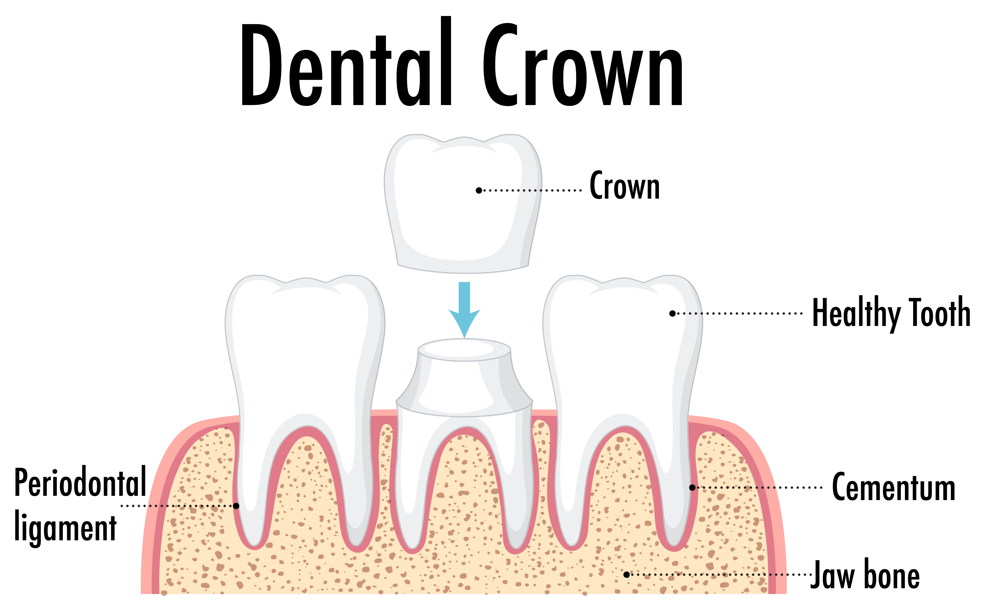
What Are Dental Crowns?
Dental crowns are covers placed over damaged or weak teeth. They look and feel like natural teeth. Often, dentists use dental crowns to restore a tooth’s shape, size, and strength. In many cases, a dental crown can also improve the way your tooth looks. Because dental crowns are strong, they help protect teeth from further damage. According to the American Dental Association, crowns are a common and safe dental treatment.
When Do You Need a Dental Crown?
Sometimes, a tooth becomes weak or broken. In these cases, a dental crown may be needed. But when do you need a dental crown? Here are some common reasons:To protect a weak tooth from breakingTo restore a tooth that is already broken or worn downTo cover and support a tooth with a large fillingTo hold a dental bridge in placeTo cover misshaped or badly discolored teethTo cover a dental implantTo protect a tooth after a root canal
For example, if you have pain when biting or notice a cracked tooth, you may need a dental crown. Sometimes, your dentist will suggest a crown to prevent future problems. If you are unsure, always ask your dentist for advice.
Types of Dental Crowns: Materials, Pros, and Cons
There are several dental crown options. Each type has its own benefits and drawbacks. Let’s look at the most common types of dental crowns:Porcelain or Ceramic Crowns: These look most like natural teeth. They are a good choice for front teeth. However, they may chip more easily than metal crowns.Metal Crowns: These are made from gold, platinum, or base-metal alloys. They are very strong and last a long time. But they do not look like natural teeth, so they are often used for back teeth.Porcelain-Fused-to-Metal Crowns: These combine strength and a natural look. The metal inside makes them strong, while the porcelain outside matches your teeth. Sometimes, the metal can show at the gum line.Resin Crowns: These are less expensive. However, they wear down faster and may break more easily than other types.Stainless Steel Crowns: Dentists often use these as a temporary solution, especially for children.
Because each material has pros and cons, your dentist will help you choose the best option for your needs.
The Dental Crown Procedure: Diagnosis, Preparation, and Placement
The dental crown procedure usually takes two visits. First, your dentist will examine your tooth and take X-rays. If the tooth is badly damaged or infected, you may need a root canal first. Next, the dentist will shape your tooth so the crown fits well. They will then take an impression of your tooth. This helps the dental lab make a crown that fits perfectly. While you wait for your permanent crown, you may get a temporary one. At your second visit, the dentist will remove the temporary crown and place the new one. They will check the fit and color before cementing it in place. After the dental crown procedure, you can use your tooth like normal.
Aftercare and Maintenance Tips
Once you get a dental crown, it is important to care for it. Here are some simple tips:Brush your teeth twice a day with a soft toothbrushFloss daily to keep your gums healthyAvoid chewing hard foods like ice or hard candyDo not use your teeth to open packagesVisit your dentist for regular check-ups and cleanings
With good care, dental crowns can last many years. However, if you notice pain, swelling, or the crown feels loose, contact your dentist right away.
Potential Risks and Complications
Most dental crowns work well and last a long time. Still, there are some risks to know about. For example, you may feel sensitivity to hot or cold foods. Sometimes, the crown can chip or become loose. In rare cases, the crown may fall off. If your bite feels off or you have pain, let your dentist know. According to the CDC, good oral hygiene helps prevent most problems.
Prevention and Lifestyle Guidance
To avoid needing dental crowns in the future, take care of your teeth every day. Here are some helpful steps:Brush and floss dailyEat a balanced diet with less sugarWear a mouthguard if you play sportsDo not use tobacco productsSee your dentist for regular check-ups
By following these tips, you can keep your teeth strong and healthy. Prevention is always better than treatment.
Conclusion
Dental crowns are a safe and effective way to protect and restore teeth. If you think you may need a dental crown, talk to your dentist. They can help you choose the best dental crown options for your needs. Consult dentist at VK DENTAL AND ASTHETICS for personalized advice on dental crowns.