
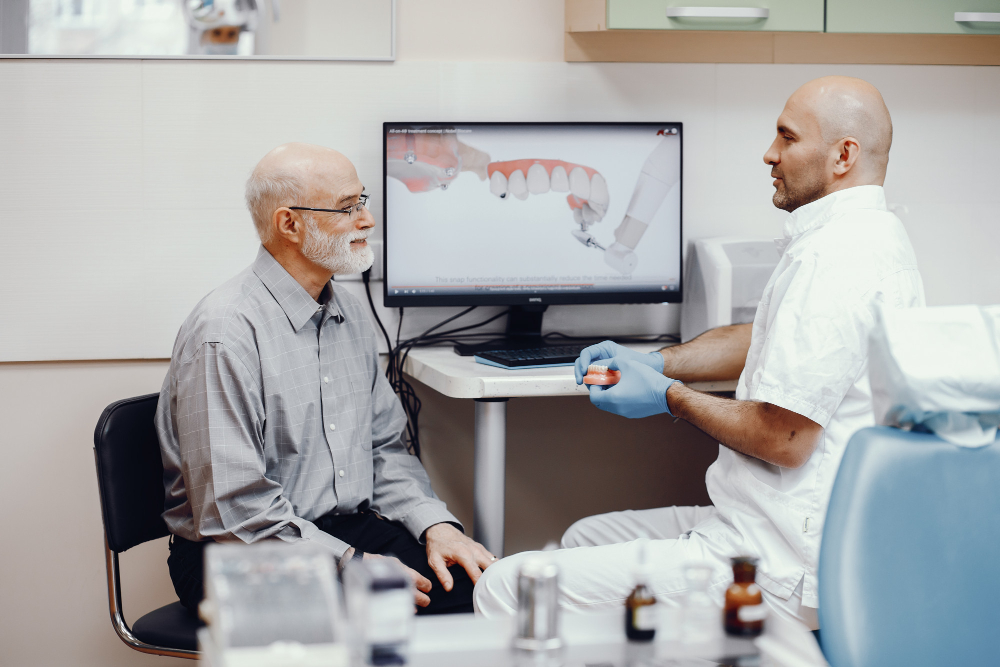
Many people worry about getting dental implants after bone loss in the jaw. This is a common concern, especially for adults who have lost teeth for some time. However, new advanced dental implant solutions can help even if you have jawbone loss. In this guide, you will learn how these options work, what to expect, and how to care for your new teeth.
What Is Bone Loss in the Jaw?
Bone loss in the jaw happens when the bone that holds your teeth starts to shrink. Often, this occurs after losing a tooth. Without the tooth, the bone no longer gets the pressure it needs to stay strong. As a result, the jawbone slowly gets thinner and weaker over time.
According to the CDC, almost half of adults over 30 have some form of gum disease, which can increase the risk of bone loss.
Why Bone Loss Affects Tooth Replacement
When you lose bone in your jaw, it can make tooth replacement harder. For example, traditional dental implants need enough bone to hold them in place. If there is not enough bone, the implant may not stay secure. Because of this, some people think they cannot get implants after bone loss. However, new methods can help rebuild or work around lost bone.
How Dental Implants Work After Bone Loss
Dental implants after bone loss use special techniques to give you a strong, lasting tooth replacement. First, your dentist will check how much bone you have. If you do not have enough, they may suggest bone grafting for implants. This means adding new bone to your jaw so it can support the implant.
With these options, many people can still get dental implants even after jawbone loss.
Advanced Tooth Replacement Options
Today, there are several advanced tooth replacement options for people with bone loss. For instance, some clinics offer zygomatic implants, which anchor to the cheekbone instead of the jaw. Others use mini implants, which need less bone. In addition, bone grafting for implants can rebuild the jaw to support regular implants.
Because of these choices, more people can enjoy stable, natural-looking teeth again.
Diagnosis and Assessment for Dental Implants
Before starting treatment, your dentist will do a full check-up. Usually, this includes X-rays or 3D scans to see how much bone is left. Next, they will ask about your health and any medicines you take. This helps them plan the best advanced dental implant solutions for you.
With this careful assessment, you can feel confident about your treatment plan.
Treatment Steps and Procedures
Treatment for dental implants after bone loss often happens in stages. First, if you need a bone graft, your dentist will place the new bone. After this heals, they will place the implant. Sometimes, advanced dental implant solutions allow for faster treatment. For example, All-on-4 implants may be placed the same day as tooth removal.
Throughout the process, your dental team will guide you and answer your questions.
Benefits and Risks of Dental Implants After Bone Loss
Dental implants after bone loss offer many benefits. For example, they look and feel like natural teeth. Also, they help keep your jawbone healthy by giving it support. However, as with any surgery, there are some risks. Infection, implant failure, or slow healing can happen, especially if you smoke or have health problems.
Your dentist will explain all risks and help you decide if this is the right choice for you.
Prevention and Long-Term Care
After getting dental implants, it is important to care for them well. For instance, brush and floss every day to keep your mouth clean. In addition, visit your dentist for regular check-ups. This helps catch problems early and keeps your implants strong. If you have lost teeth, ask your dentist about ways to prevent further bone loss.
With the right care, dental implants after bone loss can give you a strong, lasting smile.
Conclusion
If you are thinking about dental implants after bone loss, VK DENTAL AND ASTHETICS is here to help. Book a consultation today to explore your best options for a healthy, confident smile.