
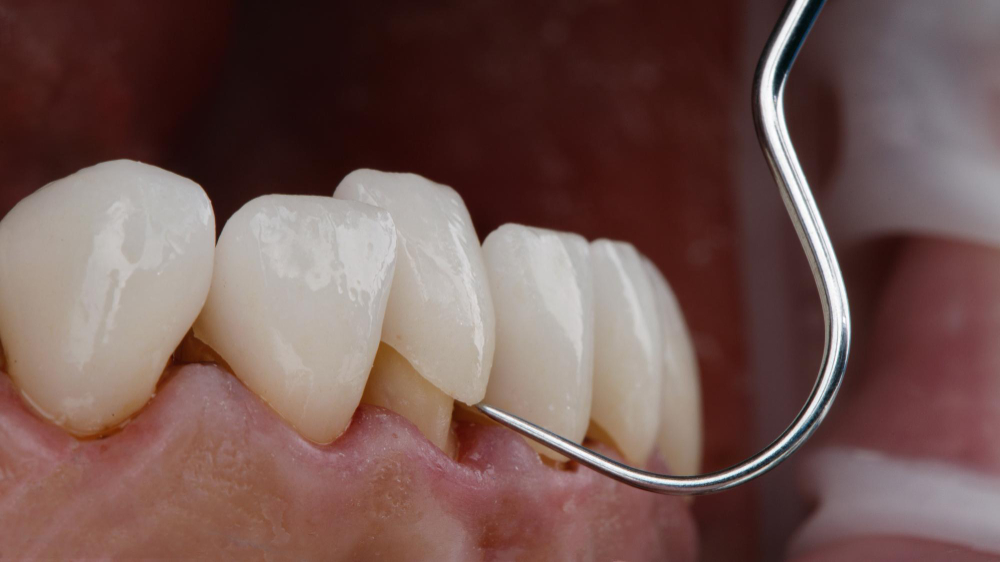
What Are Dental Veneers?
Dental veneers are thin shells placed on the front of your teeth. Dentists use them to improve the look of your smile. Often, veneers are made from porcelain or resin. Because they look natural, many people choose them for cosmetic reasons. According to the American Dental Association, dental veneers can fix chipped, stained, or uneven teeth. In many cases, they offer a quick way to get a brighter smile.
Benefits of Dental Veneers
Dental veneers offer many advantages. For example, they can:Cover stains that do not respond to whiteningFix chipped or broken teethClose small gaps between teethMake teeth look straighter without bracesGive a natural and bright appearance
Additionally, porcelain veneers resist stains better than natural teeth. Because of this, your smile can stay whiter for longer.
Who Is a Good Candidate?
Not everyone is a good fit for dental veneers. However, you may be a candidate if you:Have healthy teeth and gumsDo not grind your teeth oftenWant to fix minor cosmetic issuesHave enough tooth enamel for bonding
On the other hand, people with severe tooth decay or gum disease may need other treatments first. Always talk to your dentist before deciding.
The Dental Veneer Procedure (Step-by-Step)
The porcelain veneers procedure usually takes two or three visits. Here is what you can expect:Consultation: First, your dentist checks your teeth and discusses your goals.Preparation: Next, a small amount of enamel is removed from the tooth surface. This step helps the veneer fit well.Impression: Then, your dentist takes a mold of your teeth. This mold goes to a dental lab to make your custom veneers.Temporary Veneers: Sometimes, you get temporary veneers while waiting for the final ones.Bonding: Once ready, your dentist checks the fit and color. After that, the veneers are bonded to your teeth using a special cement.
Finally, your dentist may make small adjustments for comfort and appearance.
Risks and Potential Side Effects
Although dental veneers are safe, there are some risks. For instance, you may notice:Tooth sensitivity to hot or cold foodsChipping or cracking of the veneerColor mismatch if not done carefullyVeneers coming loose over time
However, most problems are rare if you follow your dentist’s advice. Still, veneers are not reversible. Once enamel is removed, it cannot grow back.
Aftercare and Maintenance Tips
Proper dental veneers aftercare helps your new smile last longer. For best results, follow these tips:Brush your teeth twice a day with a soft brushFloss daily to keep gums healthyAvoid biting hard foods or objectsLimit coffee, tea, and red wine to prevent stainsVisit your dentist for regular check-ups
With good care, porcelain veneers can last 10 years or more. If you notice any issues, contact your dentist right away.
Frequently Asked Questions
Do dental veneers hurt? Most people feel little to no pain. Some may have mild sensitivity after the procedure.How long do dental veneers last? With proper care, veneers can last 10 to 15 years.Can veneers be whitened? No, veneers do not respond to whitening. Choose your shade carefully with your dentist.Are veneers permanent? Yes, the process is not reversible because enamel is removed.Can I eat normally with veneers? Yes, but avoid very hard foods to prevent damage.
In summary, dental veneers can improve your smile and boost your confidence. However, it is important to know the benefits, risks, and aftercare steps. Consult a qualified dentist at VK DENTAL AND ASTHETICS to find out if dental veneers are right for you.