
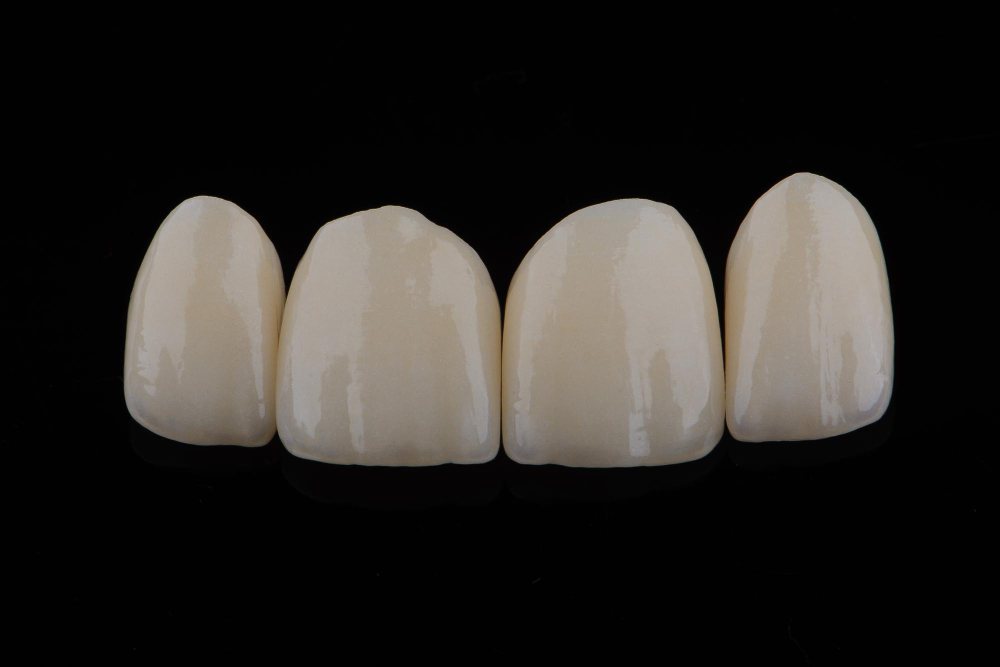
What Are Dental Veneers?
Dental veneers are thin covers placed on the front of your teeth. They are made from porcelain or resin. Because they look like natural teeth, many people choose them for smile makeovers. Veneers are part of cosmetic dentistry, which focuses on improving how your teeth look. According to the American Dental Association, veneers are safe and effective for many adults.
For example, you might see veneers called “shells” or “covers.” Dentists bond them to your teeth, so they stay in place. Most often, people get veneers on their front teeth. This is because these teeth show the most when you smile.
How Veneers Improve Tooth Shape and Appearance
Veneers can change the shape, size, and color of your teeth. As a result, your smile can look brighter and more even. Sometimes, teeth are uneven or chipped. Veneers can cover these flaws and make your teeth look straight.
Because veneers are custom-made, your dentist can match them to your other teeth. This helps your smile look natural. In many cases, people feel more confident after getting veneers.
Common Reasons People Choose Veneers
Many people want a smile makeover for different reasons. Sometimes, teeth are stained from coffee, tea, or smoking. Other times, teeth are crooked or have gaps. Veneers offer a quick way to fix these issues.
Because veneers are part of cosmetic dentistry, they focus on how your teeth look. However, they can also help protect weak teeth in some cases.
The Veneer Procedure: Step-by-Step
Getting veneers usually takes two or three visits to your dentist. First, your dentist checks your teeth and talks about your goals. Next, they may take X-rays or make molds of your teeth. This helps create a plan for your new smile.
Because the process is gentle, most people feel little discomfort. Sometimes, you may need a local numbing medicine during the first step.
Benefits and Potential Risks of Veneers
Veneers offer many benefits for teeth enhancement. For example, they provide a natural look and feel. They resist stains better than natural teeth. In addition, veneers can last for many years with good care.
However, there are some risks to consider. Because your dentist removes some enamel, the process cannot be reversed. Veneers can chip or crack if you bite hard objects. In rare cases, they may come loose and need to be replaced. The American Dental Association recommends regular check-ups to keep veneers in good shape.
Caring for Your Veneers: Tips and Best Practices
After getting veneers, you need to care for them like your natural teeth. First, brush twice a day with a soft toothbrush. Next, floss daily to remove food and plaque. Because veneers can chip, avoid biting hard foods like ice or nuts.
With proper care, veneers can last 10 years or more. If you live in a city with many dentists, such as New York or Los Angeles, you can find a cosmetic dentist who specializes in veneers.
Frequently Asked Questions About Veneers
Do veneers hurt? Most people feel little to no pain during the process. Sometimes, you may feel mild soreness after the first visit.
How long do veneers last? With good care, veneers often last 10 to 15 years.
Can veneers fix crooked teeth? Veneers can cover minor crookedness. However, they may not work for severe cases. Your dentist can suggest the best option for you.
Are veneers covered by insurance? Most dental insurance does not cover cosmetic dentistry. However, you can ask your provider about your plan.
For more details about veneers and teeth enhancement options consult at VK DENTAL AND ASTHETICS .